
The use of harsh chemical drain cleaners like “Liquid Fire” (a generic term for cleaners containing concentrated sulfuric acid) on plastic pipes, particularly PVC (Polyvinyl Chloride), is strongly discouraged and can lead to catastrophic failure. While PVC is remarkably resistant to many household chemicals, the aggressive, heat-generating reaction of high-concentration sulfuric acid presents significant risks, especially to the solvent-welded joints secured by PVC pipe fittings and to any thin-walled piping, such as agricultural irrigation piping.
The Corrosive Nature of Sulfuric Acid
“Liquid Fire” and similar industrial-strength drain openers rely on concentrated sulfuric acid (or sometimes lye/caustic soda) to dissolve organic materials like hair, grease, and paper. This is an exothermic reaction—meaning it generates significant heat. The acid breaks down the blockage, but the heat is the primary concern when dealing with plastic plumbing materials.
PVC’s Reaction to Heat and Chemicals
PVC pipe is designed to withstand normal drainage temperatures, but it has a relatively low heat tolerance compared to metal pipes. When concentrated acid reacts with a clog, the resulting heat spike can easily soften, warp, or even melt the interior wall of the PVC pipe. This is particularly dangerous for the seals formed by PVC pipe fittings. The heat degrades the solvent cement and primer that fuse the pipe sections together, weakening the joints and making them highly susceptible to leaks or total failure, especially under pressure.
Risk of Damage to Pipe Joints
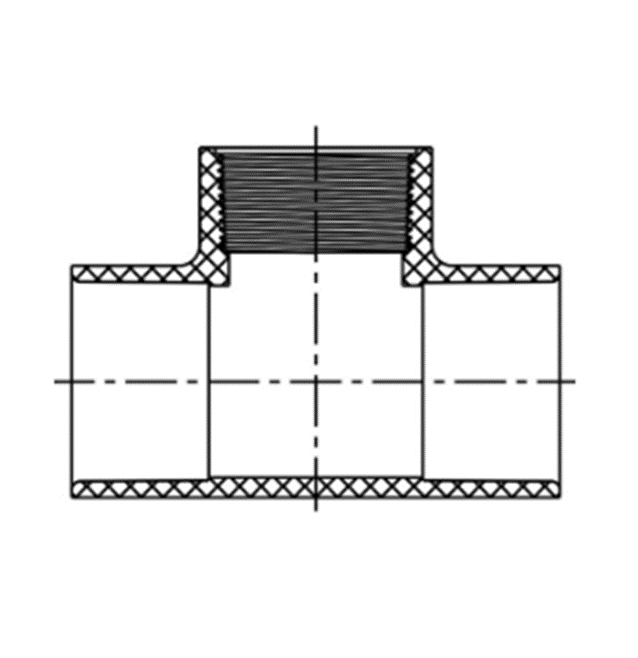
A pipe system is only as strong as its weakest point, which is often the connection where a pipe meets a coupling, elbow, or tee using PVC pipe fittings. These connections rely on a chemical weld that permanently changes the plastic’s structure. Introducing concentrated sulfuric acid and its associated thermal stress can chemically attack and physically weaken this critical solvent-welded area. If the acid pools near a fitting that is slightly stressed or imperfectly joined, the heat and corrosive action can easily breach the joint, leading to a major leak of not just water, but also the caustic chemical itself.
Safer Alternatives for Plastic Pipes
For clearing clogs in systems that utilize plastic pipes, the safest and most effective methods avoid harsh chemicals entirely. These alternatives are gentle on PVC pipe and PVC pipe fittings while being highly effective at removing blockages:
Plunger/Auger: Mechanical removal using a plumbing snake (auger) or a standard plunger is the most reliable method. These tools remove the physical blockage without chemical or thermal stress.
Enzymatic or Bacterial Cleaners: These cleaners work slowly by biologically consuming organic matter, generating no heat and being entirely safe for plastic.
Boiling Water (Non-Caustic): For grease clogs, pouring boiling water down the drain (slowly) can often dissolve the blockage without reaching the temperature levels required to damage the PVC.
Conclusion While Liquid Fire may seem like a quick fix, the risk of heat damage to PVC pipes and the potential for joint failure at PVC pipe fittings makes it a dangerous choice. Always opt for mechanical or enzymatic methods to protect your plumbing infrastructure. Reliable, efficient PVC pipe and fittings tailored to agricultural needs are provided by LESSO America. Their innovative systems ensure optimal water delivery, enhancing crop growth while minimizing water waste. Trusted globally, LESSO America supports sustainable farming with cost-effective, high-performance solutions designed for diverse agricultural applications.