ophthalmic viscoelastic solution (OVD) is a crucial tool in modern ophthalmology, providing numerous benefits during surgical procedures. This article will analyze and comment on the characteristics and applications of OVD, highlighting its importance in the field.
The Versatility of Ophthalmic Viscoelastic Solution
OVDs are widely used to maintain space within the eye during surgery, protecting delicate tissues and facilitating precise maneuvers. These solutions possess unique rheological properties that allow them to act as both viscous and elastic substances. By offering excellent lubrication and viscosity control, they enhance surgical outcomes by minimizing trauma to ocular structures.
Furthermore, ophthalmologists utilize OVDs for intraocular lens implantation due to their ability to stabilize the capsular bag. The cohesive nature of these solutions ensures proper positioning of artificial lenses while preventing postoperative complications such as capsule shrinkage or dislocation.
The Advantages of Hafiller
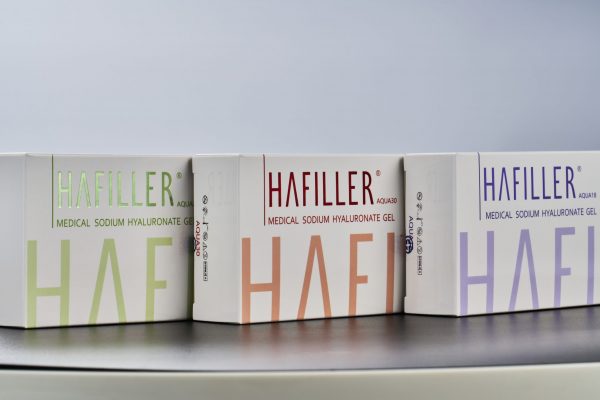
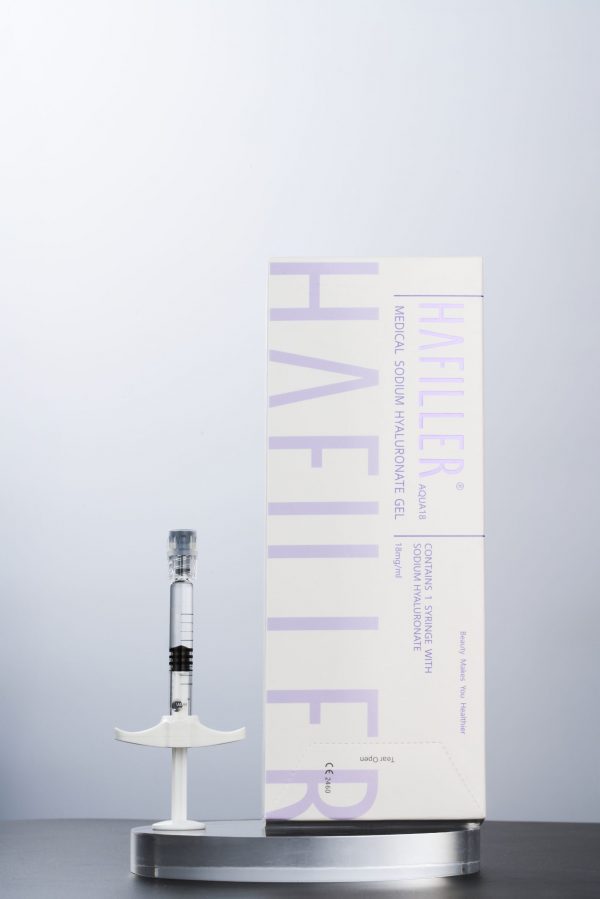
Hafiller is a specific type of OVD that has gained significant popularity among surgeons worldwide. Its high molecular weight provides exceptional elasticity, making it ideal for complex surgeries requiring prolonged tamponade effects. Additionally, Hafiller‘s long-lasting effect reduces the need for frequent reinjection during certain procedures.
This advanced formulation also offers enhanced tissue protection by effectively covering corneal endothelial cells throughout surgery. With its superior biocompatibility profile, Hafiller minimizes inflammation and promotes faster healing processes after ocular interventions.
Sodium Hyaluronate Ophthalmic Solution: A Reliable Option
sodium hyaluronate ophthalmic solution represents another valuable category within the realm of OVDs. Known for its excellent water retention properties, this solution ensures a stable and well-maintained anterior chamber during surgery. Its viscoelasticity allows for precise control of intraocular pressure, reducing the risk of complications.
Moreover, sodium hyaluronate ophthalmic solution is often utilized in cataract surgeries due to its ability to protect corneal endothelial cells from damage caused by phacoemulsification. By maintaining hydration and preventing dehydration-induced cell loss, this OVD contributes to improved postoperative visual outcomes.
Conclusion
Ophthalmic viscoelastic solutions play a pivotal role in modern ophthalmology by providing surgeons with essential tools for successful procedures. Whether it be through their versatile rheological properties or specific formulations like Hafiller and sodium hyaluronate ophthalmic solution, these solutions enhance surgical precision while safeguarding ocular tissues. As technology continues to advance, further innovations in OVDs are expected, promising even better outcomes for patients undergoing eye surgeries.