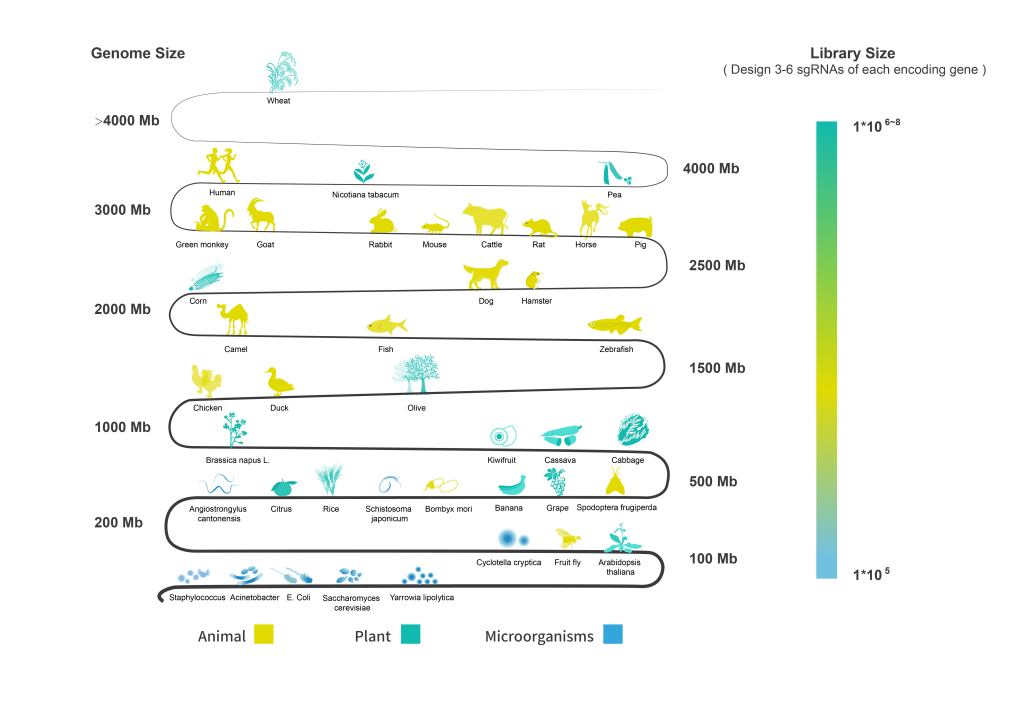
The world of genetic engineering is evolving at an unprecedented pace, and at the forefront of this revolution lies the CRISPR-Cas9 technology. But what makes this tool so powerful? As I delve deeper into the intricacies of cas9 sgrna design, I find myself captivated by its transport attributes—elements that are crucial for effective gene editing. What secrets lie within these designs that could potentially transform not just biology but also fields like automation and robotics in warehousing?
Understanding Cas9 sgRNA Design and Its Transport Characteristics
Cas9 sgRNA design serves as a pivotal component in the CRISPR system, guiding the Cas9 nuclease to specific genomic locations for precise edits. The transport characteristics of these designs are essential; they determine how effectively sgRNAs can be delivered to target cells or tissues. In recent years, advancements have been made in optimizing delivery mechanisms through various vectors such as liposomes and nanoparticles. This optimization has significant implications beyond basic research—it opens avenues for applications in Automation and Robotics in Warehousing where precision is paramount.
The Role of Custom DNA Oligo Synthesis in Automation and Robotics
custom dna oligo synthesis plays a critical role when integrated with automation technologies within warehousing environments. By enabling rapid production of tailored sequences necessary for specific tasks, it enhances efficiency significantly. Automated systems can synthesize large quantities of custom oligos on demand, facilitating real-time adjustments based on operational needs or experimental outcomes. This capability not only streamlines workflows but also ensures high fidelity in genetic constructs used during automated processes.
The Features of Synbio Within Automation and Robotics Frameworks
Synthetic biology (Synbio) introduces another layer to automation strategies employed in warehousing settings. By leveraging engineered biological systems designed through advanced computational models, Synbio allows for more sophisticated interactions between biological components and robotic systems. For instance, programmable organisms can be utilized alongside robots to perform complex tasks such as sorting or assembling products autonomously while maintaining optimal performance levels—a feat unachievable without integrating synthetic biology principles.
Conclusion: The Future Landscape Shaped by Cas9 sgRNA Design

In summary, the exploration of Cas9 sgRNA design reveals profound insights into its transport attributes which hold transformative potential across multiple domains including Automation and Robotics in Warehousing. As we continue to refine our understanding and application methods—from custom DNA oligo synthesis to innovative uses of synthetic biology—we stand on the brink of a new era where precision genetics meets cutting-edge technology seamlessly enhancing operational efficiencies.