
Picture this: you’re knee-deep in a project—your coworkers are juggling spreadsheets, and the coffee machine is on its fifth pot of the day. Suddenly, without warning, the data flow grinds to a halt. Why do failures always occur during the most crucial moments? In this whirlwind of chaos, you find yourself questioning the reliability of your digital systems. Enter digital io, the supposed savior that promises seamless integration and efficiency. But are we really any better off?
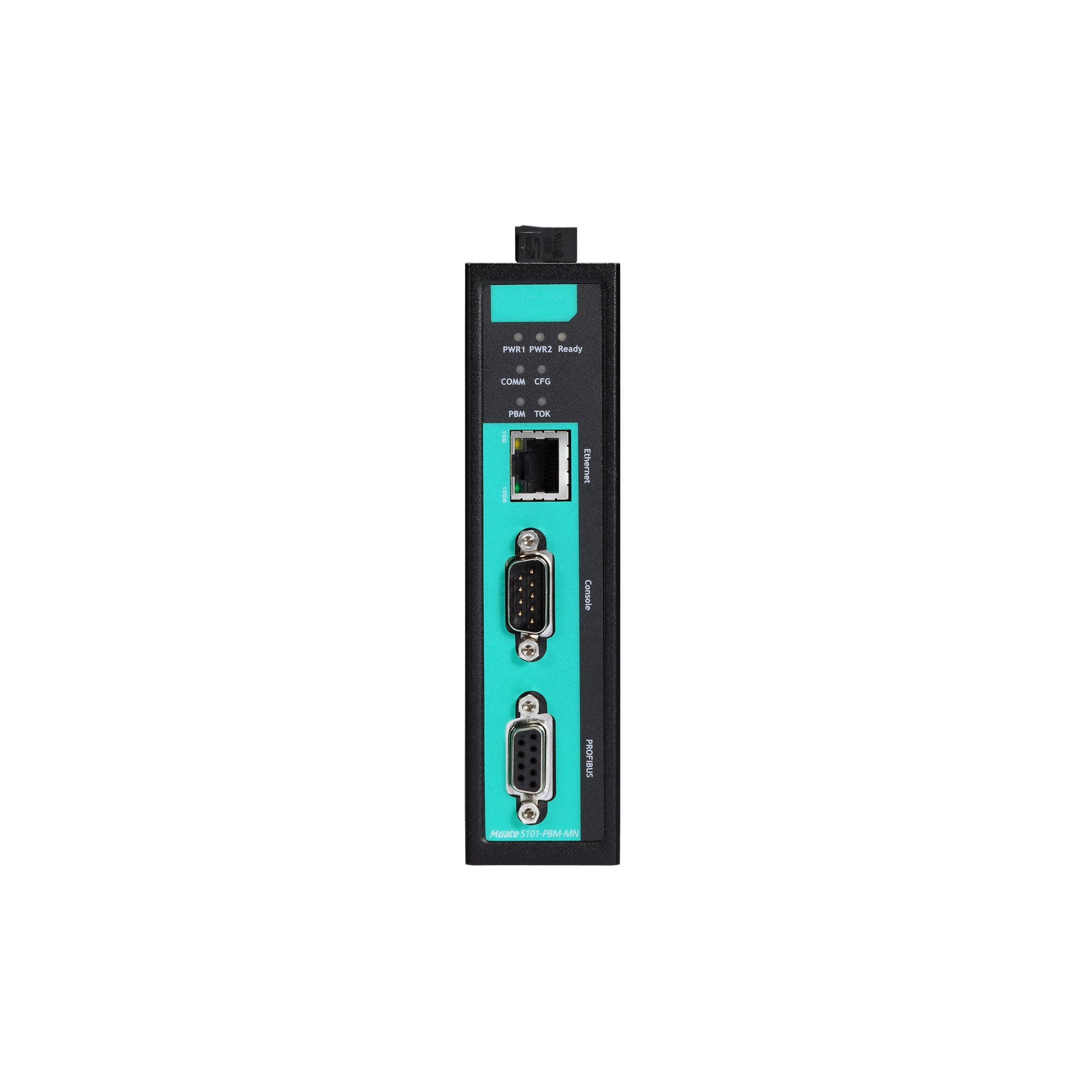
Flaws of Traditional Solutions
Let’s face it—traditional methods are often about as effective as using a paper map in a world fueled by GPS (seriously, who even does that anymore?). Whether it’s outdated software or clunky systems, the limitations in traditional digital solutions are painfully obvious. They’re like that friend who always shows up late; reliable? Not so much. Count the hours lost in data miscommunication and incompatibility. You’d think by now we’d have a fix, but spoilers: we don’t.
The Rise of New Technology Principles
But wait! Here comes the cavalry in the form of new tech principles—think edge computing nodes and flexible architectures. Look, it’s simpler than you think; we’re talking about real-time data handling that can adapt and evolve faster than a chameleon in a candy store. These innovations aren’t just shiny new toys—they promise real solutions. Imagine fetching data from multiple sources without that annoying “loading” screen, finally putting your digital frustration to rest.
Quantified User Benefits
And what’s in it for us, the weary users? Results, my friends. Reduced downtime, seamless experience, and—dare I say—happiness in the workplace. With a solid digital io system, the benefits stack up like a well-delivered pizza (extra cheese included). You could see productivity boosts by over 30%. Imagine that! Your coworkers actually being able to meet deadlines for once instead of playing “find the lost data.”
Conclusion: Actionable Evaluation Criteria
So, before you dive headfirst into the next digital solution, always verify these 3 metrics when choosing solutions: ① Reliability ② Scalability ③ User Support. It’ll save you headaches—or worse, a data disaster. With the right tools at your fingertips, you can turn frustration into a streamlined process rather than continuing to wonder, “How long will this last?”
Understanding Digital Input and Output
Let’s talk about digital input and output. This isn’t just jargon; it’s the lifeblood of modern systems. But why is understanding this crucial? Look around! Everything we touch has some level of digital input that communicates with outputs to create functionality. Misunderstand this, and you’re like a chef that forgot the secret ingredient—your dish will end up bland and undesirable. So, give your brain a workout; familiarizing yourself with these concepts will make all the difference. The best part? You can finally impress your tech-savvy friends at parties!
Diving Deeper into Discrete IO
Now, let’s dig deep into the world of discrete io, the unglamorous, yet essential workhorse of digital interface systems. Discrete IO is basically the building block for system interactions; the yes/no, on/off realities that keep everything functioning smoothly—like traffic lights that never change when you need to go. Can you imagine a world where signals weren’t sent efficiently? Absolute mayhem! It’s vital to understand this landscape, as it impacts everything from industrial automation to a simple home project. Mastering this could define the smooth running of many systems, giving you an edge in projects that demand precision.
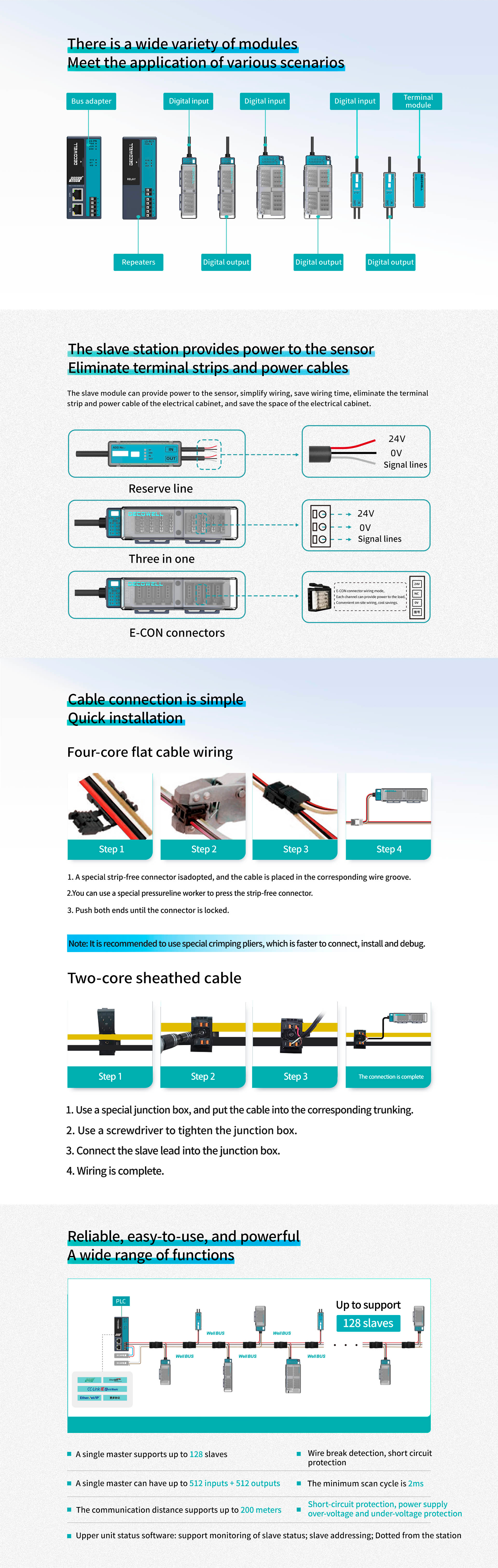
To wrap it up, when considering solutions for digital challenges, you can’t overlook the dynamics of digital io and its related technologies, because they not only hold the promise of efficiency but also a better user experience. You wouldn’t want to bring a spoon to a knife fight, right? Remember to evaluate key metrics before deciding. And if you’re looking for reliable tools, you might want to have a look at the options offered by DECOWELL, known for their supply advantages and commitment to quality!