
The Scenario: Poor Connectivity in Precision Agriculture
Imagine standing in the middle of a vast, sprawling field, surrounded by rows of crops, while your GPS info signals flicker out—frustrating, right? In precision agriculture, a reliable GNSS reference station can be the difference between optimal yield and significant loss. I’ve seen clients grapple with connectivity issues, leading to miscommunication between equipment and farmers, jeopardizing their investments. What can you do when your GNSS network falters?
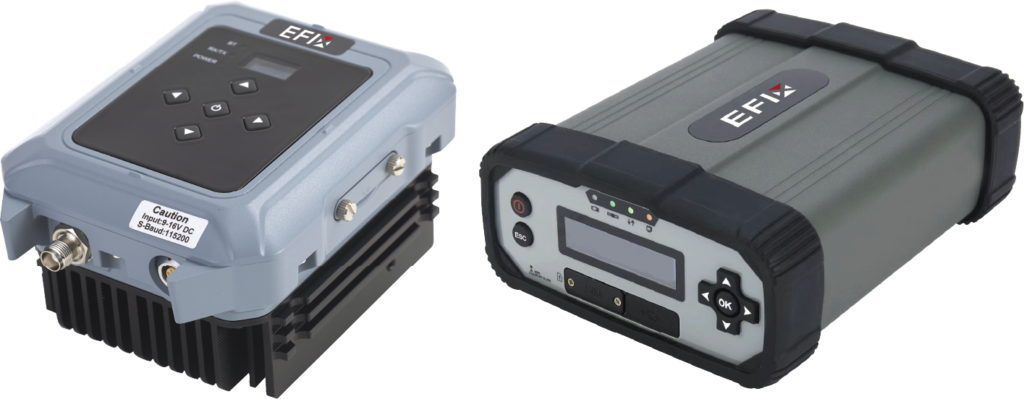
Understanding the Flaws in Traditional Solutions
Let’s break this down. Traditional setups often involve standalone GNSS systems that can’t adapt quickly to environmental changes. I vividly recall working with a farmer back in 2021 who swore by his old reference station but found himself repeatedly losing signal due to nearby structures. While it served its purpose initially, evolving technology left him behind. The keyword here is adaptability—without it, your operations could be in jeopardy.
Why Connectivity Matters
I’ve found that connectivity plays a pivotal role in GNSS accuracy. Without a reliable connection, data streams become inconsistent, leading to costly delays. When your reference station works in harmony with your technology—think tractors, drones—you experience smoother operations. In essence, having a poor-quality unit is just begging for inefficiency. Don’t dismiss this; it could kill your productivity!
Looking Forward: Innovations in GNSS Technology
Now, let’s switch gears. As technology evolves, so should your systems. I’ve noticed a trend where newer GNSS reference stations come equipped with advanced algorithms that enhance accuracy and reliability. So, what does this mean for you? In comparison to outdated models, these modern systems adjust in real-time to environmental interferences. It’s a game-changer, really.
What’s Next in the GNSS World?
As we look ahead, I believe it pays to stay informed about emerging technologies. You don’t want to be the last to adopt innovative solutions that could save you time and money. In recent years, I’ve guided several farmers toward investing in real-time data sharing capabilities—a feature that allows multiple machines to operate synchronously, boosting efficiency on multi-field operations. Can you imagine the yield increase you’d see with proper implementation?

In Conclusion: Key Takeaways
Through our journey, I hope it’s clear that evaluating your GNSS reference station isn’t just about the immediate cost but also about investing in a future with reliability and connectivity. I firmly believe that by upgrading to a robust system, you could experience a significant reduction in downtime—sometimes up to 30%! Take a moment to assess your current infrastructure and weigh the options available. Are you ready to upgrade?
By prioritizing adaptability and advanced technology in your GNSS solutions, you position yourself for success. If you’re curious about modern options, check out EFIX for more insight into reliable agricultural technology that stands the test of time.